
Gulf Coast Retirement Guide 2026



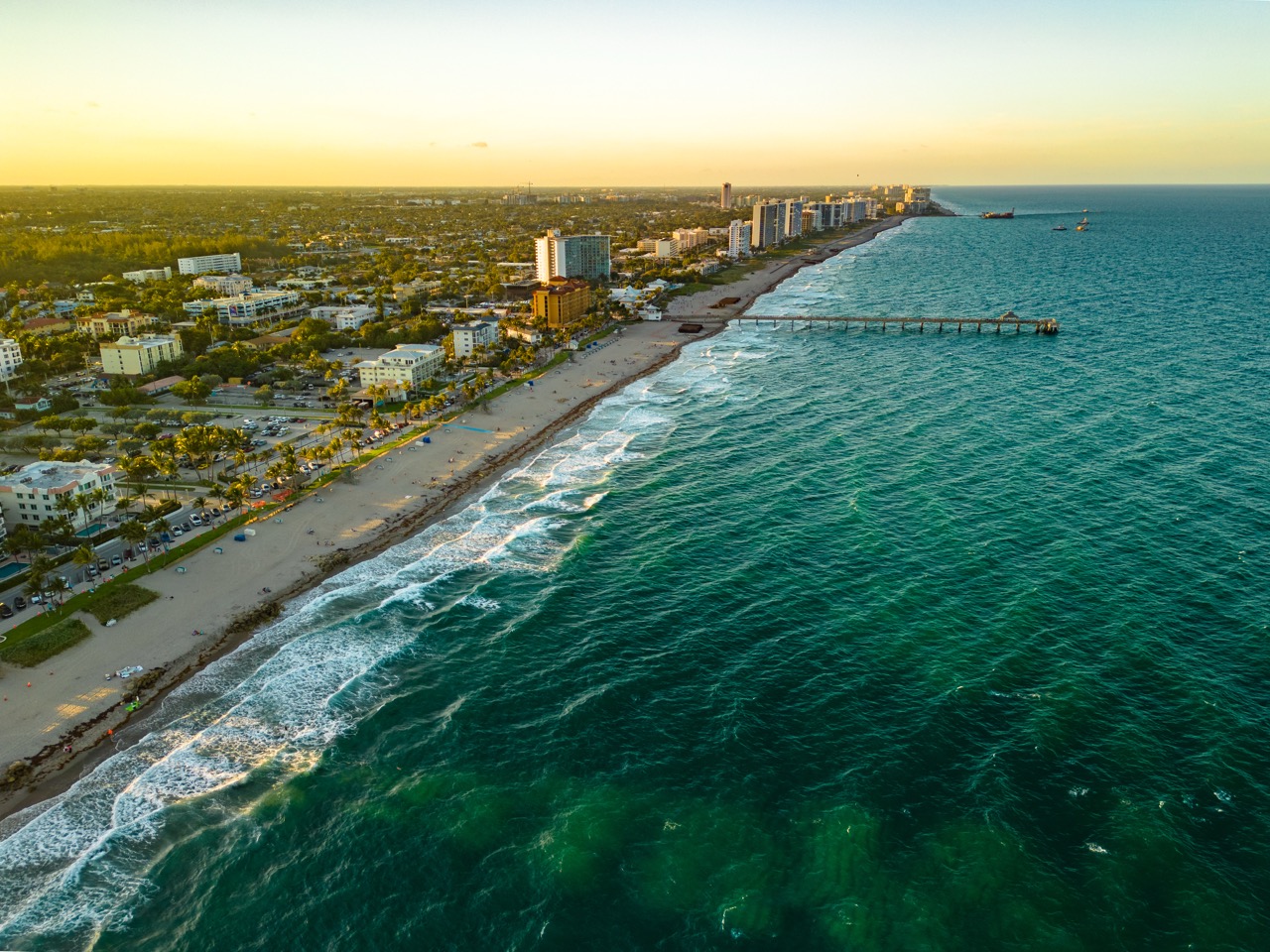
Why retirees are choosing the Gulf Coast
The Gulf Coast — running roughly 1,600 miles from Brownsville, Texas to the Florida Keys — concentrates more retirement-affordable, coastal-access metros than any other stretch of the United States. The eight regions ranked in this guide span five states (Florida, Alabama, Mississippi, Louisiana, and Texas) and trade off in different directions: hurricane exposure varies sharply by latitude and bay topology, insurance markets behave radically differently across state lines, and healthcare access flips between excellent (Sarasota, Gulfport) and limited (rural Louisiana, Alabama panhandle).
This guide ranks Gulf Coast retirement regions for full-time year-round residents on a fixed income. We weight cost, climate exposure, healthcare access, and lifestyle fit — not headline beach photos. The picks are organized into three retiree priorities so readers can shortlist fast, then dive deeper into our Gulf Coast destination guide.
The Gulf Coast offers more retirement-affordable coastal access than anywhere else in the country — if you understand which 100-mile stretch you're betting on.
How we ranked these regions
Each pick is evaluated against four axes: cost (mortgage, insurance, property tax, groceries), climate (hurricane probability, summer humidity, freeze risk), healthcare (Medicare-accepting providers per capita, distance to a Level-I trauma center), and lifestyle fit (walkability, restaurant density, age-skew of population). We cross-reference FEMA flood maps and storm-surge models with multi-carrier homeowner insurance premium quotes, then validate against CMS Medicare provider network density data.
Beyond the data, our editors walked or drove each region in 2025, interviewed current retirees in every metro, and verified pricing through local realtor networks. The regions that survive that filter are the only ones we publish — we don't rank places we haven't been.
What this guide doesn't cover
This is a primary-residence retirement guide for the Gulf Coast. We have not analyzed master-planned 55-plus communities (which deserve their own framework), short-term rental investment yield, snowbird arrangements where you only live somewhere four to six months a year, or the bay-vs-gulf shoreline debate — which is more aesthetic than substantive for retirement quality.
We've also intentionally excluded Texas-specific homestead arbitrage and pure tax-domicile plays. Where these factors overlap with the rankings, we've called them out — but they aren't the framework. We rank for full-time year-round retirees, not snowbirds, investors, or 55-plus community shoppers.
The 8 ranked Gulf Coast regions
We break the 8 regions into three retiree priorities — budget, healthcare access, and active-outdoor lifestyle — because the same region rarely tops all three. A retiree on Social Security plus a small pension wants different geography than a retiree with a chronic condition needing a top cardiology network.
Top picks for budget-conscious retirees
- Pensacola, FL — coastal access at the lowest insurance premiums in the Florida panhandle
- Biloxi-Gulfport, MS — strong Medicare network at Mississippi pricing
- Corpus Christi, TX — Texas homestead rules plus warm-climate beaches
Top picks for healthcare-priority retirees
- Sarasota, FL — SRQ Memorial network and walkable downtown
- Mobile, AL — University of South Alabama medical depth
- Fort Myers, FL — Lee Memorial healthcare and beach access combined
Top picks for active outdoor retirees
- St. Petersburg, FL — kayak access, walkability, year-round outdoor culture
- Galveston Island, TX — surfable beaches, fishing community, hurricane history priced in
Frequently asked questions
Is the Gulf Coast really cheaper than the Atlantic coast?
Generally yes, but homeowner insurance closes the gap meaningfully. Mississippi and Alabama remain the lowest-cost Gulf states overall. Florida's panhandle offers cheaper insurance than its Atlantic side. Texas property tax can erase initial home-price advantages — run the full math, not just the listing price.
How should I think about hurricane risk?
Hurricane probability varies sharply by 100-mile stretch. The Florida panhandle, Alabama coast, and Mississippi Gulf Coast see different storm-path histories than south Texas or the Florida Keys. Inland regions sustain less direct damage but more flooding. Read FEMA flood maps for any specific address before signing.
Where's the best healthcare access?
Sarasota, Mobile, and Fort Myers lead for Medicare network density and distance to Level-I trauma centers. Rural Louisiana and the Alabama panhandle have the weakest coverage. If you have a chronic condition, healthcare proximity should weight as much as cost.
Should I rent first before buying?
Always. Especially in hurricane-prone areas where insurance binders can take months and weather patterns shift annually. A 12-month rental in your target region lets you experience the summer humidity and verify the area before committing to a 30-year mortgage and homestead.
If you can't comfortably afford the insurance premium without flinching, you can't comfortably afford to retire on the Gulf Coast.
Nine Gulf Coast regions scored for retirement viability across cost of living, healthcare access, hurricane exposure, walkability, and tax friendliness. Coverage spans all five Gulf states with realistic 2026 estimates for housing, insurance, and ongoing costs. Updated January 2026.
